Game Interface: A Versatile Tool for Creative and Professional Projects
When you're working on a project that needs visual appeal and functional design, a well-crafted Game Interface can make all the difference. Whether you're a digital artist, a small business owner, or an educator creating engaging content, understanding how to use Game Interface effectively can open up a world of possibilities.
What Exactly Is a Game Interface?
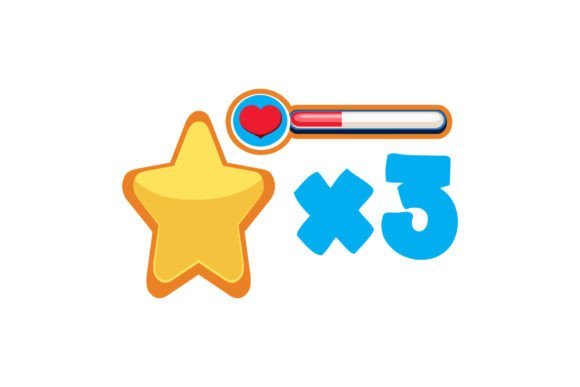
A Game Interface typically refers to the visual and interactive elements that allow users to engage with a game or application. This includes menus, buttons, HUDs (Heads-Up Displays), control panels, and other on-screen elements that guide user interaction. While originally designed for gaming environments, these interfaces have evolved into powerful tools that can be adapted across a wide range of projects beyond the gaming world.
Why Use Game Interface Elements Outside of Gaming?
The clean, intuitive design of a Game Interface makes it ideal for any project where user interaction and visual clarity are important. These interfaces are built to be responsive, scalable, and visually engaging — qualities that translate well into websites, mobile apps, educational platforms, and even marketing materials.
With downloadable files such as EPS, JPEG, and PNG included, you can easily integrate these interface elements into your designs regardless of your preferred software or platform. The flexibility of vector-based EPS files allows for scalable graphics, while JPEG and PNG formats are perfect for quick integration into digital or print projects.
Real-World Use Cases for Game Interface
- Website Dashboards: If you're building a membership site or a customer portal, using Game Interface components can help you create a modern, user-friendly dashboard. Think of progress bars, interactive menus, or custom control panels that guide users through your platform.
- Mobile App Development: Many app developers use Game Interface templates to prototype or design app screens quickly. The intuitive layout and visual cues help users navigate more efficiently, especially in productivity or educational apps.
- Interactive Learning Tools: Educators and e-learning developers can use Game Interface elements to build engaging quizzes, interactive lessons, or progress tracking systems that keep students motivated and focused.
- Marketing and Presentations: Whether you're pitching a product or creating a digital brochure, incorporating Game Interface visuals can help you present information in a dynamic and visually appealing way.
- Print and Merchandise Design: The clean lines and bold visuals of Game Interface assets work well in print too — from posters and flyers to branded merchandise like T-shirts or mugs.
Who Can Benefit From Using Game Interface Assets?
Graphic designers will appreciate the ready-to-use layout and design elements that can be customized for client projects. Entrepreneurs launching a new app or digital product can use these interfaces to create mockups and prototypes faster. Educators may find them useful for gamifying lessons or creating interactive learning modules. Even hobbyists and DIY creators can use Game Interface files to elevate their personal projects with a professional touch.
How to Choose the Right Game Interface for Your Needs
Before downloading or purchasing a Game Interface pack, consider the following:
- Compatibility: Make sure the file types (EPS, JPEG, PNG) are compatible with your design software. Vector files like EPS are great for scaling, while PNGs are ideal for web use with transparency support.
- Customization: Look for interfaces that are easy to modify. The best ones come with layered files or clear instructions for customization.
- Style Match: The visual style of the interface should align with your project’s tone. Whether it’s futuristic, minimalist, or retro, choose a Game Interface that complements your content.
- Usage Rights: Always check the licensing agreement. Some interfaces are for personal use only, while others can be used commercially.
Integrating Game Interface Into Different Workflows
For web developers, Game Interface elements can be used as UI kits to streamline the design process. For print designers, they offer a modern aesthetic that can be repurposed for posters, infographics, or branded materials. If you're a content creator building digital products or courses, these interfaces can help structure your materials in a visually engaging way.
Even small business owners who aren't designers can benefit — many Game Interface templates are designed to be plug-and-play, allowing you to drag and drop elements into your existing designs with minimal effort.
Practical Example: Using Game Interface in an Online Course
Imagine you're creating a digital course on productivity. Instead of using standard PowerPoint slides, you could use a Game Interface-inspired layout to design your course modules. Each section could feature a progress tracker, interactive buttons for navigating between lessons, and visual cues that highlight key takeaways. This not only makes the course more engaging but also improves the learning experience by making navigation intuitive.
Final Thoughts: Game Interface as a Cross-Disciplinary Asset
The beauty of a Game Interface lies in its adaptability. Whether you're building a mobile app, designing a website, or creating educational materials, these interface elements offer a blend of aesthetics and functionality that's hard to match. With the right approach, you can use them to elevate your projects and deliver a more polished, professional result — no matter your skill level or background.
So next time you're brainstorming design ideas or looking for a way to improve user interaction in your project, consider how a Game Interface can help. It's not just for games anymore — it's a tool that can enhance your creative and professional work in ways you might not have imagined.