How College Basketball Game Winners 1989-01 Can Support Strategic Design and Data-Driven Decision-Making
College Basketball Game Winners 1989-01 is more than a historical data point—it’s a strategic asset for creators, marketers, and designers working at the intersection of sports history and digital design. Whether you're developing merchandise, analyzing trends, or building brand narratives around collegiate athletics, this dataset provides a structured foundation for informed creative direction.
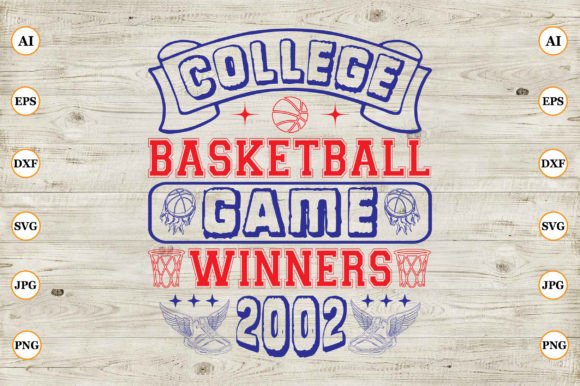
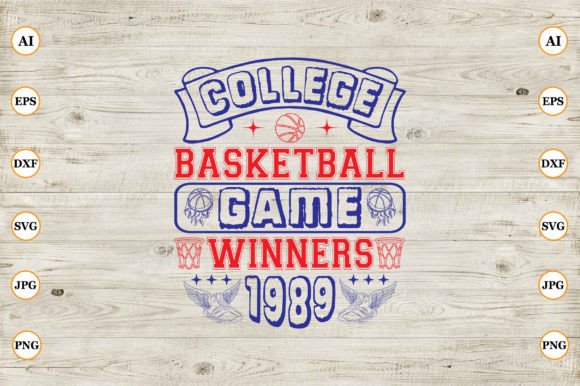
At its core, College Basketball Game Winners 1989-01 captures the outcomes of games from a specific season window. But its value extends beyond raw results. When paired with design tools like Cricut and Silhouette, and supported by high-quality digital files—such as AI, SVG, PNG, EPS, DXF, and JPEG formats—it becomes a versatile resource for creating historically relevant, visually compelling content.
Using Historical Data to Drive Design and Branding
For designers and small business owners, the ability to tie creative assets to real historical events can significantly enhance the perceived value and authenticity of a product. A t-shirt featuring a design derived from College Basketball Game Winners 1989-01 isn’t just a piece of apparel—it’s a conversation starter with built-in nostalgia and credibility.
With the included digital files, creators can easily adapt and personalize designs to reflect specific teams, dates, or game highlights from that season. The vector-based formats ensure scalability without loss of quality, making them ideal for both print-on-demand services and custom merchandise lines.
Strategic Planning with Contextual Data
Entrepreneurs and marketers can use College Basketball Game Winners 1989-01 as part of a broader content strategy. By aligning promotional campaigns with historical milestones, brands can create time-sensitive offers, themed collections, or limited-edition products that resonate with fans and collectors.
- Seasonal campaigns: Launch merchandise tied to the anniversary of a notable game or team victory.
- Storytelling through design: Use game results to build narratives around team legacies or player careers.
- Targeted marketing: Appeal to alumni and sports enthusiasts by highlighting university-specific wins.
These strategies are most effective when integrated into a broader marketing plan that considers audience segmentation, platform-specific content, and performance tracking.
Design Flexibility and Customization
The digital download includes multiple file types—SVG, AI, PNG, EPS, DXF, and JPEG—each serving a unique purpose in the design workflow. For example:
- SVG and AI files: Ideal for vector editing and color customization in Adobe Illustrator or similar software.
- PNG files: Perfect for direct use in digital mockups or layered design projects with transparent backgrounds.
- EPS and DXF: Useful for laser cutting, engraving, or compatibility with older design software.
These files are designed to be easily modified, scalable, and suitable for both print and digital applications. Whether you're creating a single t-shirt design or a full product line, the flexibility of these assets allows for rapid iteration and customization based on audience feedback or seasonal trends.
Integrating Historical Data into Long-Term Strategy
For educators, bloggers, and publishers, College Basketball Game Winners 1989-01 can serve as a primary source for research, storytelling, or interactive content. When used thoughtfully, this data can support:
- Historical comparisons: Tracking team performance over decades to highlight progress or decline.
- Content creation: Building timelines, infographics, or visual essays around specific seasons.
- Interactive experiences: Using game results as a foundation for quizzes, trivia, or digital memorabilia.
By embedding historical context into visual and textual content, creators can increase engagement and deepen audience connection.
Practical Implementation and Workflow Tips
Before diving into design or content creation, consider how College Basketball Game Winners 1989-01 fits into your larger workflow:
- Define your objective: Are you creating a product, telling a story, or supporting data analysis? Clarify your goal before selecting design elements.
- Map data to visuals: Identify key games, teams, or statistics that align with your message or branding.
- Test variations: Use the editable vector files to experiment with color schemes, layouts, and typography before finalizing a design.
- Optimize for platforms: Ensure file formats match the technical requirements of your printing service or digital marketplace.
These steps help ensure that your use of College Basketball Game Winners 1989-01 is both intentional and impactful.
Understanding the Risks of Misaligned Use
While College Basketball Game Winners 1989-01 is a valuable tool, it's not a standalone solution. Relying on it without clear goals or context can lead to generic designs, irrelevant content, or missed marketing opportunities. Avoid these pitfalls by:
- Aligning data with brand identity: Ensure historical references enhance, rather than distract from, your core message.
- Validating relevance: Confirm that the data you're using resonates with your target audience and supports your campaign goals.
- Maintaining quality control: Use high-resolution files and test print outputs to ensure professional results.
By approaching this resource with intention, you avoid the trap of treating historical data as a novelty rather than a strategic asset.
Maximizing Long-Term Value
Ultimately, College Basketball Game Winners 1989-01 is most valuable when integrated into a repeatable creative or business process. Whether you're launching a seasonal product line, building a content archive, or supporting educational material, this dataset can serve as a foundation for consistent, high-quality output.
Consider archiving your design files and campaign performance data to refine future strategies. Over time, you can build a library of historically inspired designs that not only honor the past but also drive ongoing engagement and revenue.