How to Integrate Neon Text and Game Console Design into Creative Workflows
Neon text and game console aesthetics are more than just visual trends—they're powerful tools for evoking nostalgia, energy, and digital vibrancy. Whether you're designing a video game, crafting a marketing banner, or building a retro-themed website, incorporating Let's Play Neon Text and Game Console elements can elevate your creative output. This article explores how to effectively use neon-style vector illustrations and game console-inspired design within professional and personal projects, focusing on practical implementation and integration into real-world workflows.
Understanding the Role of Neon Text and Game Console Aesthetics
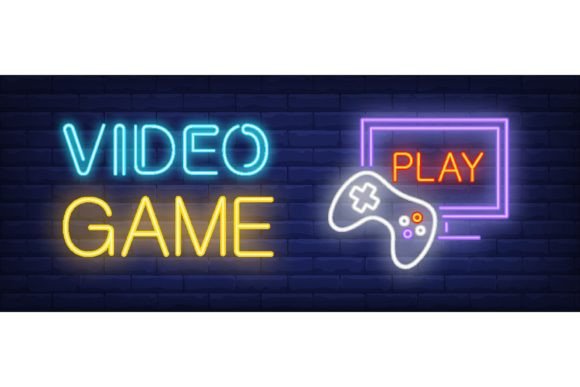
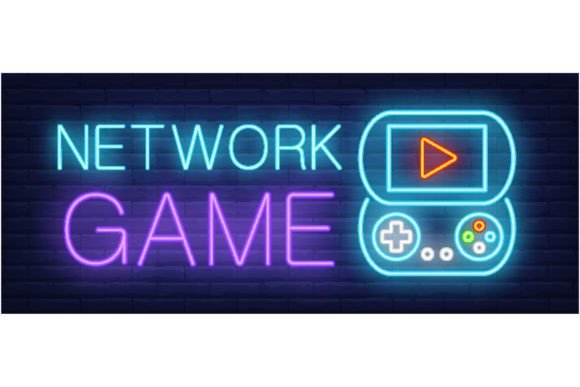
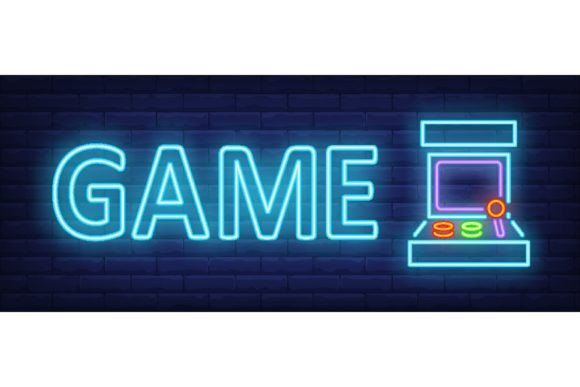
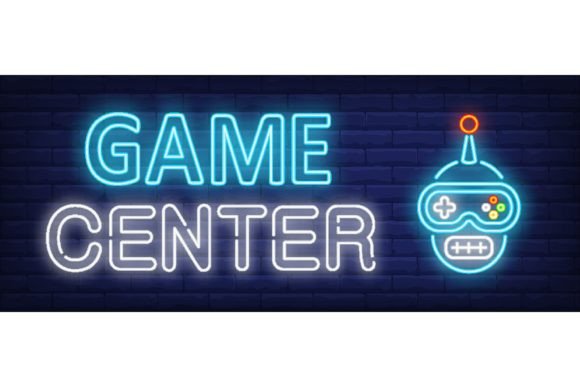
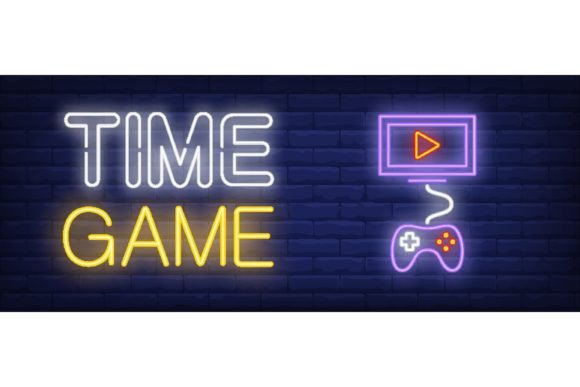
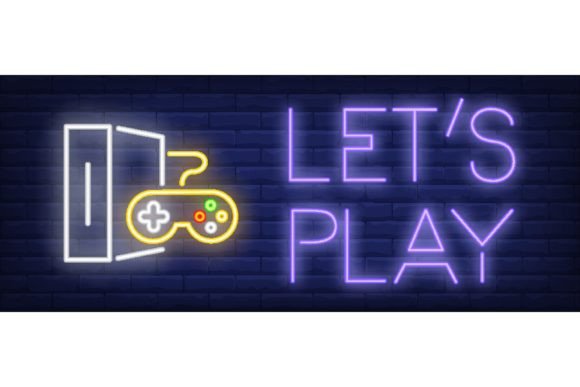
The Let's Play Neon Text and Game Console design concept blends retro gaming visuals with modern vector illustration techniques. It often includes glowing text effects, pixel-style fonts, and stylized game controller graphics that mimic the look of 80s and 90s arcade machines and early home consoles. These design elements are commonly used in entertainment branding, game development, and promotional materials where a sense of fun, digital culture, and interactivity is desired.
From a creative process standpoint, these visuals serve multiple roles: they capture attention, communicate a thematic tone, and enhance user engagement. When used appropriately, neon text and game console graphics can act as a unifying visual language across different digital and print assets.
When to Use Neon Text and Game Console Elements in a Project
These design assets are versatile and can be integrated at various stages of a project:
- Pre-production: Use neon-style mockups to present design concepts or mood boards for branding, game UI, or event promotion.
- Production: Implement neon text and game-themed graphics into user interfaces, banners, or animated sequences during development.
- Post-production: Apply neon overlays or stylized game console illustrations to promotional assets, social media visuals, or trailer thumbnails to enhance visual appeal.
Integrating Neon Design into Broader Creative Workflows
To make the most of Let's Play Neon Text and Game Console assets, it's important to understand how they interact with other tools and platforms. These vector illustrations are typically created in design software like Adobe Illustrator, Figma, or Sketch, but they can also be adapted for use in web development, video editing, and game engines like Unity or Unreal Engine.
Here's how they fit into different workflows:
- Graphic Design: Use neon text as a headline element in posters, flyers, or digital ads. Pair it with game console vector graphics to create a cohesive theme for gaming-related promotions.
- Web Development: Integrate neon text effects using CSS or SVG for interactive elements on websites, especially for landing pages targeting younger or gaming-oriented audiences.
- Game Development: Incorporate neon-style fonts and controller icons into game menus, HUDs, and loading screens to reinforce a retro or futuristic aesthetic.
- Video Production: Use neon animations in After Effects or Premiere Pro to add dynamic visual elements to trailers, intros, or social media clips.
Practical Implementation Tips
Here are some actionable steps for integrating neon text and game console graphics effectively:
- Start with a clear theme: Neon text works best when it supports a broader visual narrative—whether it's retro gaming, cyberpunk, or digital pop culture. Align your design choices with the overall tone of your project.
- Use high-quality vector assets: Ensure that your neon text and game console graphics are scalable and maintain clarity across different resolutions. Vector formats like SVG or AI are ideal for this purpose.
- Balance brightness and contrast: Neon elements can be visually overwhelming if overused. Pair glowing text with darker backgrounds and minimalistic layouts to maintain readability and focus.
- Test across platforms: If you're using neon graphics in a digital product, test them on different screens and devices to ensure they render consistently.
Compatibility and Workflow Considerations
For seamless integration, consider the following compatibility factors:
- File formats: Use SVG for web-based projects, EPS or AI for print, and PNG or GIF for animated elements in presentations or social media.
- Software support: Most modern design and development tools support neon text and vector graphics, but check for plug-ins or export settings that may affect rendering.
- Color consistency: Neon colors often use bright RGB values. Convert to CMYK carefully if printing, and always preview how colors appear on different screens.
Organizing Neon Assets for Long-Term Use
As with any design asset, proper organization ensures long-term usability. Create a dedicated folder or library for neon text variations, game console icons, and related illustrations. Label files clearly (e.g., “Neon_Text_Gaming_Style,” “Controller_Icon_Vector”), and consider using asset management tools like Adobe Creative Cloud Libraries or Figma's design systems to maintain consistency across projects.
Quality Control and Consistency
Maintaining visual consistency is crucial when using Let's Play Neon Text and Game Console elements across multiple deliverables. Establish a style guide that includes:
- Preferred neon color palettes
- Font styles and text effects
- Icon sizes and spacing rules
- Usage examples for different media types
Regularly review and update this guide to reflect changes in branding or design direction. This helps ensure that all team members or collaborators use the assets correctly and consistently.
Efficiency in Execution
To streamline your workflow when using neon text and game console graphics:
- Use reusable templates for common deliverables like social media posts or email headers.
- Create custom brushes or effects in your design software to apply neon styles quickly.
- Batch-process neon text variations to save time when designing for multiple platforms.
Case Studies and Real-World Applications
Several industries benefit from incorporating neon text and game console design elements:
- Marketing: Brands targeting Gen Z or millennial audiences often use neon text in digital campaigns to evoke nostalgia and digital playfulness.
- Education: Gamified learning platforms use neon-style visuals to engage students and make digital lessons feel more interactive.
- Entertainment: Streaming platforms and game developers use neon-lit thumbnails and promotional banners to highlight retro-style content.
- Productivity: Some digital tools use neon-inspired UI elements to differentiate between modes or highlight key features in a visually engaging way.
Preparing for Future Design Trends
While neon text and game console aesthetics have a strong retro appeal, they're also adaptable to emerging design trends. As augmented reality (AR) and immersive web experiences grow in popularity, neon-style visuals are being used to create engaging UI/UX elements that feel both futuristic and familiar. By mastering the use of neon text and game console graphics now, you position yourself to adapt more easily to evolving digital design standards.
Conclusion
Incorporating Let's Play Neon Text and Game Console elements into your creative process isn't just about aesthetics—it's about enhancing engagement, reinforcing brand identity, and creating a cohesive visual experience across platforms. Whether you're a designer, marketer, developer, or educator, understanding how to integrate these elements effectively can improve the quality and impact of your work. By focusing on practical implementation, compatibility, and long-term usability, you can ensure that your neon text and game console designs remain relevant and effective for years to come.