Matching Game for Kids - Shapes - Math: Engaging Early Learners Through Play
What Is the Matching Game for Kids - Shapes - Math?
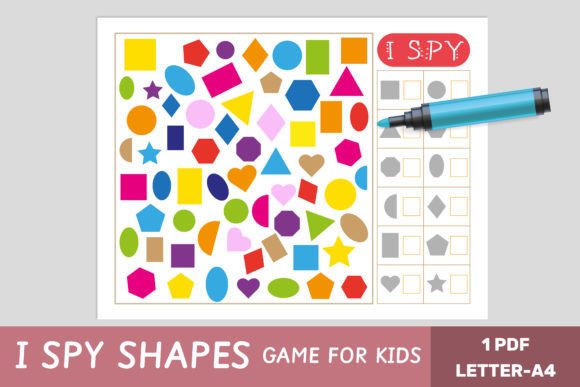
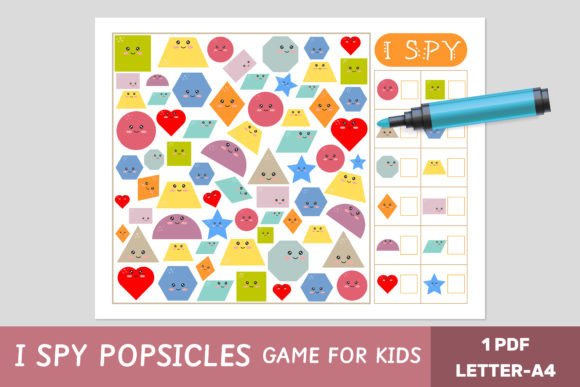
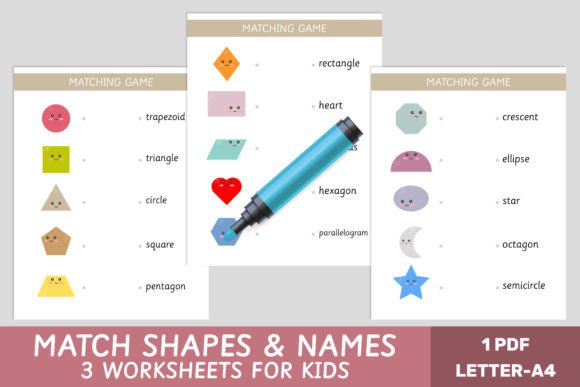
The Matching Game for Kids - Shapes - Math is a hands-on, interactive learning tool designed to help children aged 4 to 7 recognize and name basic geometric shapes. It includes three colorful worksheets that challenge kids to connect shapes with their corresponding names. Whether used at home or in a classroom, this game blends fun with foundational math learning in a way that feels natural and engaging for young minds.
Why This Game Works for Early Childhood Development
Young children thrive on visual and tactile learning, and the Matching Game for Kids - Shapes - Math taps directly into that need. By offering a playful, no-pressure way to explore shapes like circles, squares, triangles, and rectangles, it supports early cognitive development. The act of matching builds memory, attention to detail, and logical thinking—all essential skills for future academic success.
Real-World Uses: Where and How This Game Fits In
Parents and educators alike can benefit from integrating this game into daily routines. Here are a few practical applications:
- At-home learning: During quiet time or as part of a morning routine, parents can sit with their child and guide them through the matching activity. It’s a great way to bond while reinforcing shape recognition.
- Classroom centers: Teachers can set up a math station with printed and laminated sheets for students to use with dry-erase markers. This allows for repeated use and collaborative learning.
- Travel-friendly learning: Print and fold the worksheets into a small booklet for on-the-go learning. Paired with a pack of crayons or markers, it’s a quiet, screen-free activity that keeps kids engaged during car rides or waiting times.
Who Benefits Most from This Matching Game?
While the game is ideal for children aged 4 to 7, its benefits extend to different types of users:
- Parents of preschoolers: This game is a simple way to support early math learning without needing special training or expensive tools. It’s especially helpful for parents who want to introduce structured learning activities at home.
- Kindergarten and early elementary teachers: Educators can use the game as a warm-up activity or a supplemental tool during math lessons. Its printable format makes it easy to scale across multiple students.
- Therapists and special educators: For children with developmental delays or learning differences, the game offers a low-stress way to build recognition and matching skills. The visual clarity and simplicity make it accessible and non-intimidating.
How to Get the Most Out of the Matching Game for Kids - Shapes - Math
Maximize the effectiveness of this tool by incorporating it into a broader learning strategy. Here are a few ideas:
- Pair with real-life objects: After completing a matching sheet, go on a “shape hunt” around the house or classroom. Ask kids to find circular plates, square windows, or triangular signs.
- Use it as a stepping stone: Once kids master basic shapes, introduce more complex ones like ovals, pentagons, or diamonds using similar matching formats.
- Make it a group activity: Have siblings or classmates work together to complete a sheet. This encourages teamwork and verbal communication.
Choosing the Right Format and Printing Tips
The Matching Game for Kids - Shapes - Math is available in two print sizes: US Letter (8.5” x 11”) and A4 (210 mm x 297 mm), making it accessible for users around the world. When printing, consider the following:
- Cardstock is best: Using heavy cardstock ensures durability, especially if you plan to laminate the sheets for reuse.
- Print quality matters: Choose the highest print quality setting to ensure colors are vibrant and lines are sharp—this helps maintain visual clarity for young eyes.
- Home vs. professional printing: While home printers can handle the job, a local print shop may offer better results for color accuracy and paper thickness.
Strengths That Make This Game Stand Out
What makes the Matching Game for Kids - Shapes - Math particularly effective is its simplicity. It avoids overstimulation and focuses on core learning goals. Here are some of its standout features:
- Visual clarity: The colorful design captures attention without overwhelming young learners.
- Reusable potential: When printed on cardstock and laminated, the worksheets can be used repeatedly with dry-erase markers.
- Flexible use: Whether used as a standalone activity or part of a larger curriculum, it adapts easily to different learning environments.
Potential Limitations and How to Work Around Them
While the game is highly effective, it’s important to understand its limitations and how to address them:
- Not self-guided for very young children: Kids under 4 may need significant adult support. To help, parents or teachers can read the shape names aloud and model how to match.
- Limited scope: The game focuses on shape recognition and naming, so it should be paired with other activities to build a full math foundation.
- Screen-free requires printing: Users who prefer digital tools may find the need to print inconvenient. However, printing allows for better focus and tactile interaction, which is beneficial for young learners.
Final Thoughts: A Simple, Powerful Tool for Shape Learning
The Matching Game for Kids - Shapes - Math is more than just a printable worksheet—it’s a versatile, effective way to introduce early math concepts through play. Whether you’re a parent looking to support your child’s learning or an educator building a resource library, this game offers a practical, enjoyable solution. By focusing on real-world applications, adapting to different learning styles, and offering flexibility in use, it stands out as a valuable tool in the early education toolkit.