Exploring the Creative Potential of Black and White Game Cards
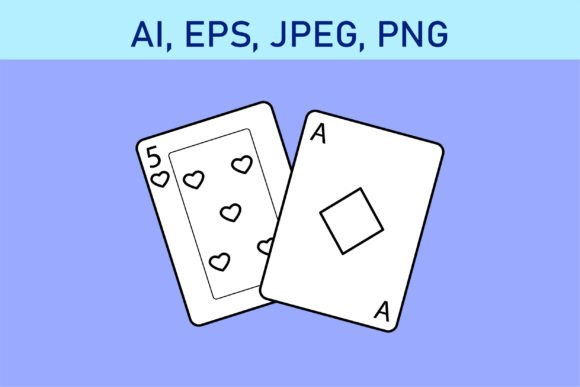
Black and white game cards have emerged as a versatile and visually compelling tool across a wide range of creative and professional fields. Their minimalist aesthetic, adaptability, and timeless appeal make them a preferred choice for designers, educators, game developers, and entrepreneurs alike. Whether used for storytelling, educational tools, or visual branding, these cards offer a unique canvas that encourages imagination and clarity.
The Core Appeal of Monochrome Design
At the heart of black and white game cards lies the power of monochrome. By stripping away color, the design focuses on contrast, form, and composition, which can often communicate ideas more directly and emotionally. This simplicity allows users to project their own interpretations, making the cards ideal for open-ended applications such as creative writing prompts, character development, or visual brainstorming.
Monochrome also ensures that the cards remain accessible to a broader audience, including those with color vision deficiencies. This inclusivity is particularly important in educational and therapeutic settings where clarity and comprehension are paramount.
Versatile Applications Across Industries
- Game Development: Independent and professional game designers often use black and white game cards to prototype mechanics, test character interactions, or build narrative arcs without the distraction of color.
- Education: Teachers and curriculum designers incorporate these cards into lesson plans for language learning, storytelling, and critical thinking exercises. The lack of color encourages students to focus on content and structure rather than visual embellishment.
- Art and Design: Artists use them as a base for mixed media projects, sketching, or as templates for creating scalable vector graphics. Their clean lines and bold contrasts serve as a strong foundation for further customization.
- Therapy and Coaching: Mental health professionals and life coaches utilize black and white cards for guided visualization, emotional expression, and narrative therapy, where the absence of color helps reduce cognitive overload.
Customization Through File Formats
One of the key advantages of black and white game cards is their availability in multiple file formats. Depending on the intended use, users can choose from AI (Adobe Illustrator), EPS (Encapsulated PostScript), JPEG, and PNG files. Each format serves a different purpose:
- AI and EPS: Ideal for designers who need scalable, editable vector graphics for print or digital design projects.
- JPEG: Suitable for quick sharing, web use, or print where high resolution isn't critical.
- PNG: Best for digital applications requiring transparency and sharp detail, such as website graphics or layered illustrations.
Why Black and White Stands Out in a Color-Saturated World
In an era dominated by vivid colors and digital saturation, the monochrome approach of black and white game cards offers a refreshing alternative. They encourage users to focus on the essentials—shape, contrast, and composition—without the noise of color. This can be especially beneficial in fast-paced environments where clarity and simplicity are crucial.
Additionally, black and white visuals tend to age better and remain relevant across design trends. Unlike color palettes that may fall out of favor, monochrome maintains a timeless quality that ensures long-term usability and aesthetic endurance.
Designing for Longevity and Adaptability
Designers who work with black and white game cards often find that their creations can be easily adapted to different contexts. A card designed for a board game can be repurposed into a classroom activity, a marketing asset, or even a personal journaling tool with minimal effort. This cross-functionality makes them a valuable asset for creators who value flexibility and efficiency.
Considerations When Using Black and White Game Cards
While black and white game cards offer many benefits, there are a few considerations to keep in mind when integrating them into your workflow:
- Intended Audience: Ensure that the lack of color aligns with your audience's expectations and needs. In some cases, color may be necessary for differentiation or emotional impact.
- Printing Requirements: If you're using these cards in physical formats, pay attention to the resolution and file type to ensure high-quality output.
- Software Compatibility: Vector formats like AI and EPS require specific design software, so make sure your tools can support these file types before purchasing.
Maximizing the Value of Your Purchase
When purchasing black and white game cards from providers like Welcome to Candramawa Studio, it's important to explore all available file types to ensure you're getting the most versatile and usable format for your specific project. Whether you're a graphic designer, educator, or hobbyist, having access to multiple formats gives you the freedom to experiment and adapt your designs with ease.
Real-World Examples and Use Cases
Many professionals have found innovative ways to integrate black and white game cards into their work. For instance:
- A startup used monochrome cards to develop a prototype for a new storytelling app, allowing the team to focus on narrative flow before introducing visual elements.
- An art teacher created a custom card deck to help students explore line work, shading, and composition without the distraction of color theory.
- A therapist developed a set of prompt cards using black and white visuals to guide clients through emotional storytelling sessions.
These examples highlight how the simplicity of black and white design can be a powerful foundation for creativity, learning, and communication.
Conclusion
Black and white game cards represent more than just a design choice—they are a strategic tool for enhancing clarity, encouraging creativity, and enabling adaptability across a wide range of applications. Whether you're developing a new game, creating educational materials, or exploring visual storytelling, these cards offer a timeless and flexible foundation that can be tailored to your needs. With the right file formats and thoughtful implementation, they can become an indispensable part of your creative toolkit.