Exploring the World of Educational Game Kid Boy Vector Illustrations
In today’s digital age, visuals play a crucial role in communication, especially in the realm of education and child development. One such visual asset gaining popularity is the educational game kid boy vector illustration. These cartoon-style images depict happy preschoolers or school-age boys engaged in playful, educational activities, and are widely used in digital content, educational apps, and toy marketing. In this article, we’ll explore what makes these illustrations so valuable, how they are used across industries, and why they matter in modern learning environments.
What Is an Educational Game Kid Boy Vector?
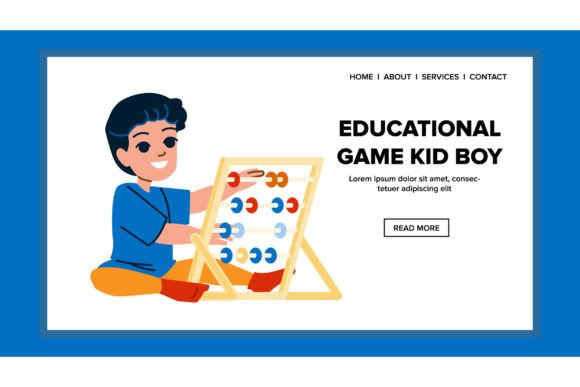
An educational game kid boy vector is a digital illustration of a young boy participating in educational or playful learning activities. These images are created using vector graphic software, which allows for scalability without loss of quality. Common formats include JPG and EPS, making them suitable for both web and print use.
These illustrations are typically styled in a flat cartoon design, which means they feature simplified shapes, bold outlines, and minimal shading. This style is ideal for digital platforms because it loads quickly and remains visually appealing on all screen sizes.
Key Features of Educational Game Kid Boy Vector Illustrations
- Flat cartoon design for modern, clean visuals
- Available in JPG and EPS formats for flexibility
- Depicts happy, engaged children in learning scenarios
- Designed for web, apps, and print use
The Role of Visuals in Early Childhood Education
Visual learning is a powerful tool in early childhood development. Young children process images faster than text, making illustrations like the educational game kid boy vector an essential part of educational content. These visuals help convey ideas, emotions, and actions in a way that’s both engaging and easy to understand.
For instance, when designing a learning app for preschoolers, including images of children playing with numbers or letters can help reinforce the concepts being taught. The child in the illustration becomes a relatable character, guiding the learner through the experience.
Why Visuals Like These Matter
- They simplify complex ideas for young learners
- Increase engagement through colorful, friendly characters
- Support language development by pairing images with words
- Encourage emotional connection to learning materials
Practical Applications Across Industries
The educational game kid boy vector isn’t just useful in classrooms. It has a wide range of applications across multiple industries, including:
Educational Technology (EdTech)
Many EdTech companies use these illustrations to create child-friendly interfaces for learning apps. Whether it’s a math game or a reading app, having a relatable character increases user engagement and makes the learning experience more enjoyable.
Toy and Game Marketing
Marketers for educational toys and games often use these illustrations to show how children interact with products. A vector image of a boy playing with a puzzle or counting blocks can effectively communicate the toy’s educational value.
Website and App Design
In the digital space, these illustrations help designers create a warm, inviting atmosphere. They are especially useful in landing pages, educational blogs, and parenting websites that target young families.
Print Media and Educational Books
From workbooks to storybooks, these illustrations add a playful, educational element to printed materials. Their flat design ensures they remain clear and readable even in low-resolution print formats.
Choosing the Right Format: JPG vs. EPS
When working with educational game kid boy vector illustrations, it’s important to understand the difference between the two common file formats: JPG and EPS.
- JPG (Joint Photographic Experts Group) – Best for web use and quick loading. Ideal for blogs, social media, and digital ads.
- EPS (Encapsulated PostScript) – A vector format that allows for unlimited scaling. Perfect for print materials like posters, books, and packaging.
Choosing the right format depends on your intended use. For digital platforms, JPG is often sufficient. For high-quality print or logo design, EPS is the preferred choice.
How to Use These Illustrations Effectively
To get the most out of educational game kid boy vector illustrations, consider the following best practices:
1. Match the Illustration to Your Message
Ensure the child’s activity aligns with the educational theme. For example, if you're promoting a math game, use an illustration of the boy counting or solving a puzzle.
2. Keep the Design Consistent
If you're using multiple illustrations, maintain a consistent art style. Mixing different styles can make your content look disjointed.
3. Optimize for Accessibility
Use high-contrast colors and clear visuals to make the illustrations accessible to children with visual impairments or learning differences.
4. Use Them in Storytelling
Illustrations can be part of a larger narrative. For example, you can create a series of images showing the boy learning different concepts over time, helping to build a cohesive educational journey.
Common Misconceptions About Educational Illustrations
While educational game kid boy vector illustrations are widely used, there are some common misconceptions about their purpose and effectiveness:
- Misconception: Only realistic images are effective for learning.
Reality: Cartoon-style illustrations can be more engaging and easier for children to understand. - Misconception: Vector images are only for logos or icons.
Reality: They are highly versatile and can be used for full-page illustrations and character design. - Misconception: All educational illustrations are the same.
Reality: The right illustration should reflect the specific educational goal and target audience.
Looking Ahead: The Future of Educational Illustrations
As technology continues to evolve, so too will the use of illustrations in education. We’re already seeing a rise in interactive illustrations, where children can click on elements of the image to learn more. The educational game kid boy vector may soon be integrated into augmented reality (AR) experiences, allowing children to interact with characters in real-time.
Moreover, as more educators and parents recognize the importance of visual learning, the demand for high-quality, customizable illustrations will only grow. Platforms offering royalty-free or subscription-based access to these images will become more popular, giving creators the tools they need to build engaging educational content.
Conclusion: Why Educational Game Kid Boy Vectors Are Here to Stay
The educational game kid boy vector is more than just a digital image. It’s a powerful tool that bridges the gap between education and entertainment. Whether used in a mobile app, a printed workbook, or a marketing campaign, these illustrations help make learning fun, accessible, and visually appealing for young learners.
By understanding how to use these illustrations effectively and choosing the right format for your needs, you can enhance your educational content and connect more deeply with your audience. As we continue to embrace digital learning, these friendly, engaging characters will remain a cornerstone of modern education and design.