Match Game Fruits by Name Worksheet 7: Practical Tips for Effective Use
Understanding Match Game Fruits by Name Worksheet 7 and Its Versatility
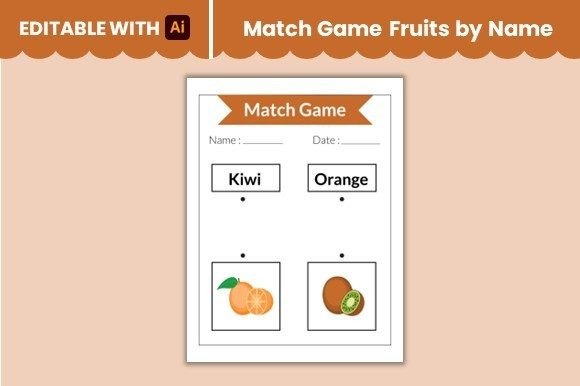
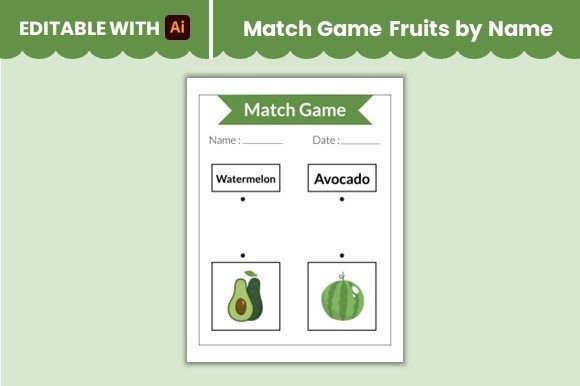
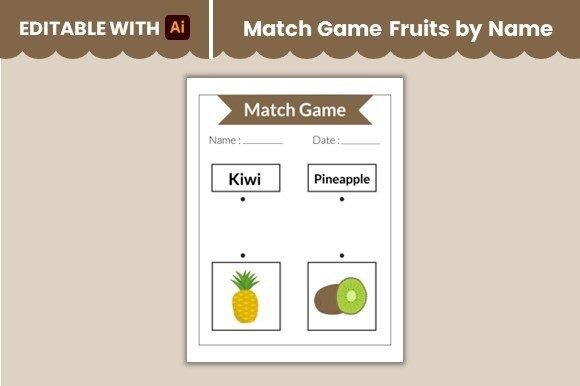
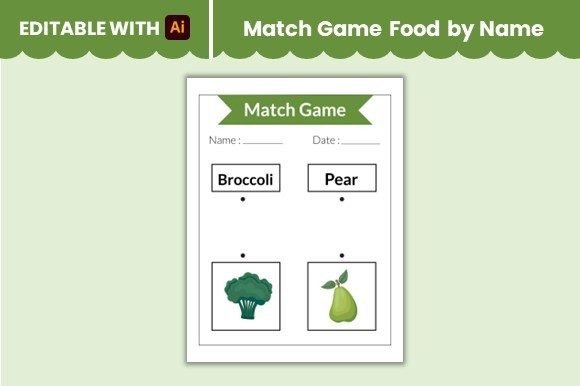
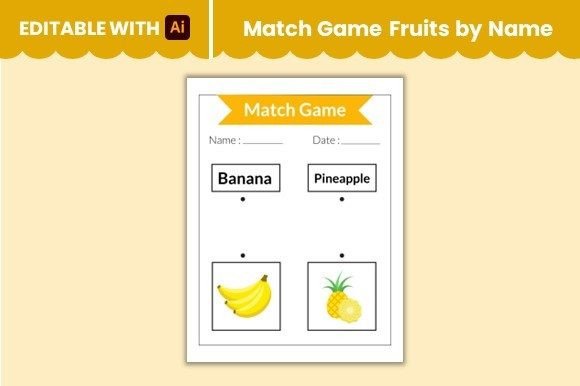
The Match Game Fruits by Name Worksheet 7 is a versatile visual learning tool designed for educators, parents, and creative professionals. Whether you're developing educational materials, designing a children's book, or creating interactive content, this worksheet offers flexibility through its downloadable package that includes an AI file, JPEG, and PNG formats. Its primary function is to help users identify and match fruit names with corresponding images, making it ideal for classroom settings, digital design projects, or as printable stickers.
Many users are drawn to the worksheet for its ease of integration into different formats. However, despite its apparent simplicity, there are several overlooked aspects that can impact how well it serves its intended purpose.
1. Assuming One Size Fits All
One of the most frequent errors is assuming that the worksheet is universally suitable for all age groups or educational levels. While it's an excellent tool for young learners, older children or adults may find it too basic unless adapted creatively. For example, using the worksheet as part of a language-learning activity for beginners rather than just a matching game can extend its usefulness.
Better approach: Customize the worksheet by adding short descriptions, nutritional facts, or cultural references about each fruit to make it more engaging and informative for a broader audience.
2. Ignoring File Format Limitations
The downloadable package includes three formats: AI, JPEG, and PNG. Each has its own strengths. However, some users download the worksheet without understanding which format is best suited for their intended use. For instance, JPEG files are great for quick printing, while AI files allow for full editing in design software like Adobe Illustrator.
Key point: If you're planning to modify the layout or colors, use the AI file. For high-quality digital use, PNG is preferable due to its transparency support. JPEG is best for print but may lose quality if resized significantly.
3. Overlooking Resolution and Scaling
Many users print or project the worksheet without checking the resolution, which can lead to blurry images or text. This is especially noticeable when using the worksheet as part of a large poster or classroom chart.
Practical advice: Always preview the file at 100% zoom before printing or publishing. If scaling is necessary, use vector-based formats like AI to maintain clarity. Avoid stretching JPEG or PNG files beyond their original dimensions.
4. Using It Solely as a Worksheet
While the name suggests a worksheet, the included files can be repurposed in various creative ways. Some users miss out on opportunities by not using the PNG file as transparent stickers or integrating the AI file into larger design projects like picture books or mobile app prototypes.
Idea: Convert the PNG images into digital stickers for use in educational apps or online learning platforms. The AI file can be edited to include additional elements like speech bubbles or background scenes to enhance storytelling in picture books.
5. Not Checking Licensing or Usage Rights
Before using the worksheet in a commercial product or distributing it widely, it's crucial to confirm the licensing terms. Some downloadable content may be intended for personal or educational use only, and using it in a commercial context without permission can lead to legal issues.
Action step: Review the terms of use provided with the download package. If unsure, contact the creator or platform for clarification on commercial usage rights.
6. Skipping the Preview Before Final Use
Whether you're printing the worksheet or embedding it into a digital presentation, skipping the preview stage can lead to formatting issues. Colors may appear differently on screen versus print, and layout elements might not align as expected.
Best practice: Always do a test print or screen preview. Check for color accuracy, font readability, and image alignment. Make adjustments before finalizing your project.
What to Check Before Downloading or Using the Worksheet
- File Compatibility: Ensure your software supports AI, JPEG, and PNG formats. Not all platforms can edit AI files without Adobe Illustrator or similar tools.
- Intended Audience: Consider who will be using the worksheet. Adjust the difficulty level or add complexity if needed.
- Usage Rights: Confirm whether the download can be used for commercial purposes or if modifications are allowed.
- Resolution and Quality: Look for details about the file resolution, especially if you plan to scale or print the worksheet.
Final Thoughts on Maximizing the Value of Match Game Fruits by Name Worksheet 7
The Match Game Fruits by Name Worksheet 7 offers a wide range of applications beyond its surface-level use. By understanding its format options, intended audience, and potential for creative adaptation, users can significantly enhance its value. Avoiding common pitfalls like incorrect file use, overlooking resolution, or underestimating customization options ensures better results whether you're a teacher, designer, or parent.
Take a moment to review the included files and consider how they can be tailored to your specific needs. With a bit of planning and creativity, this worksheet can become a powerful tool in your educational or design toolkit.